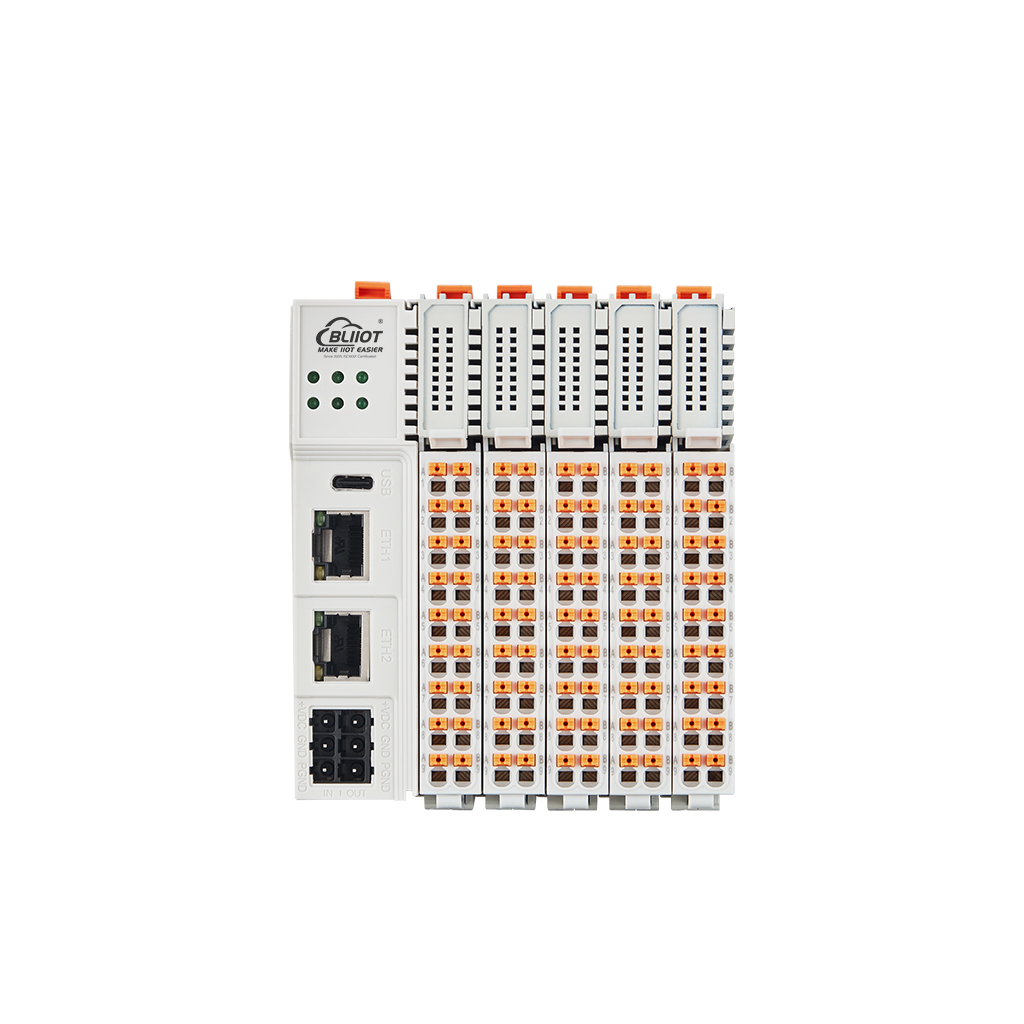
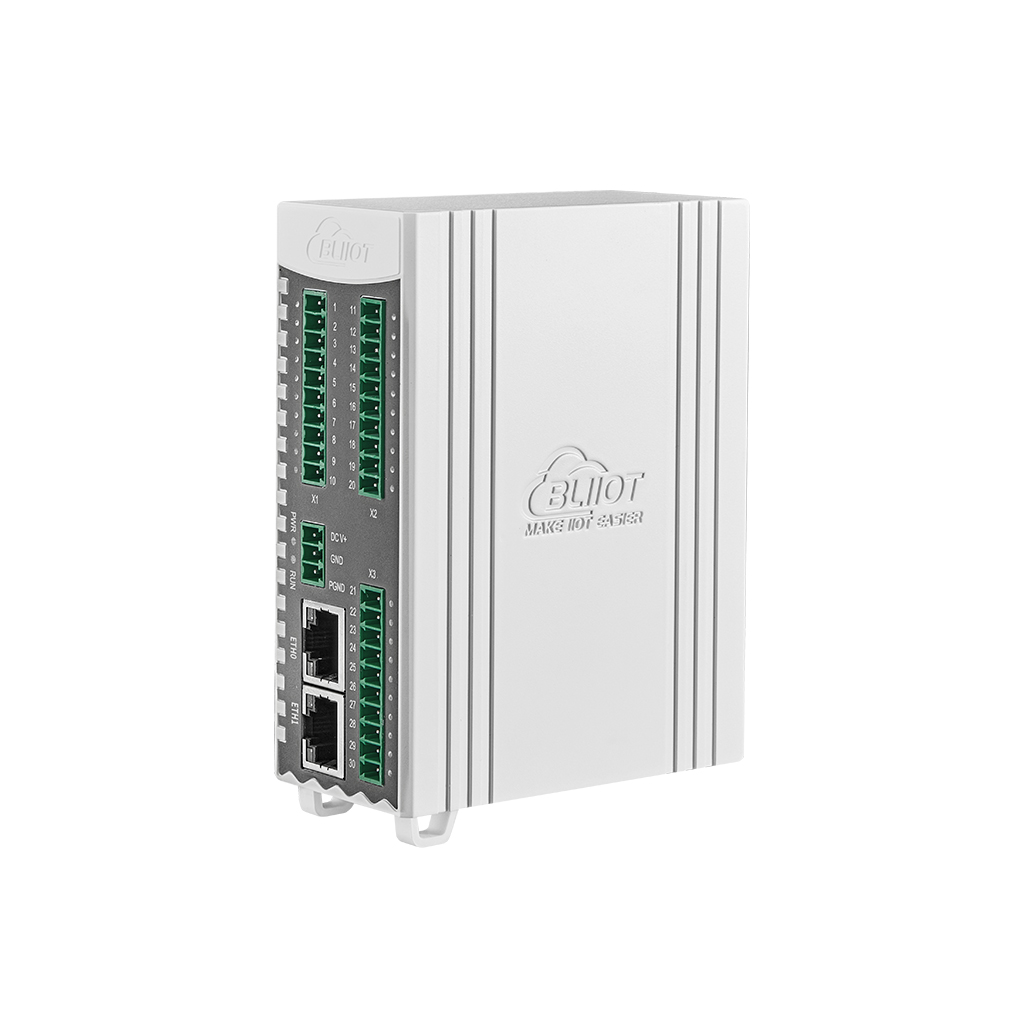
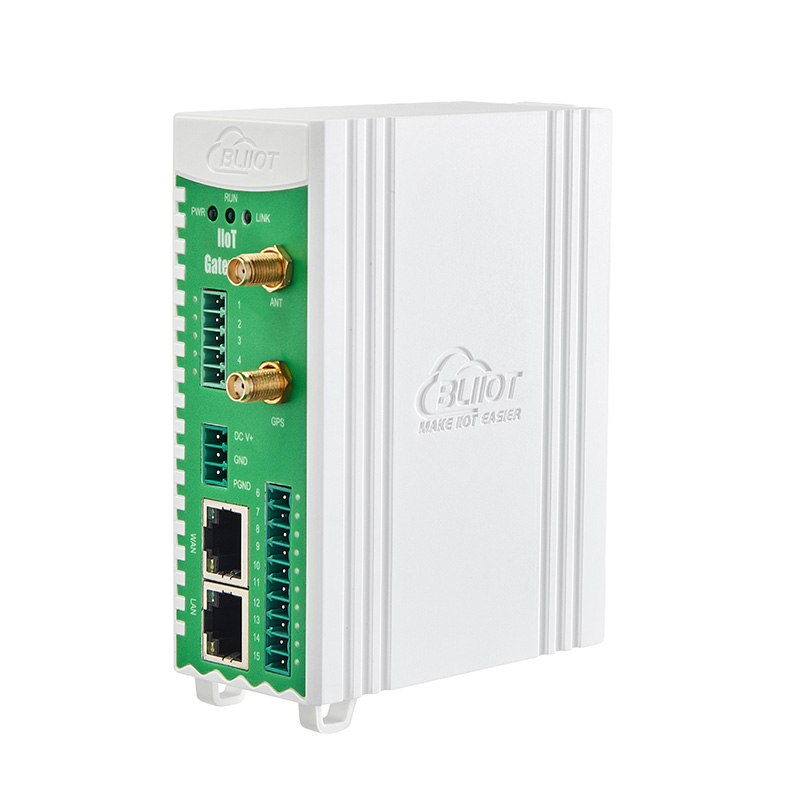
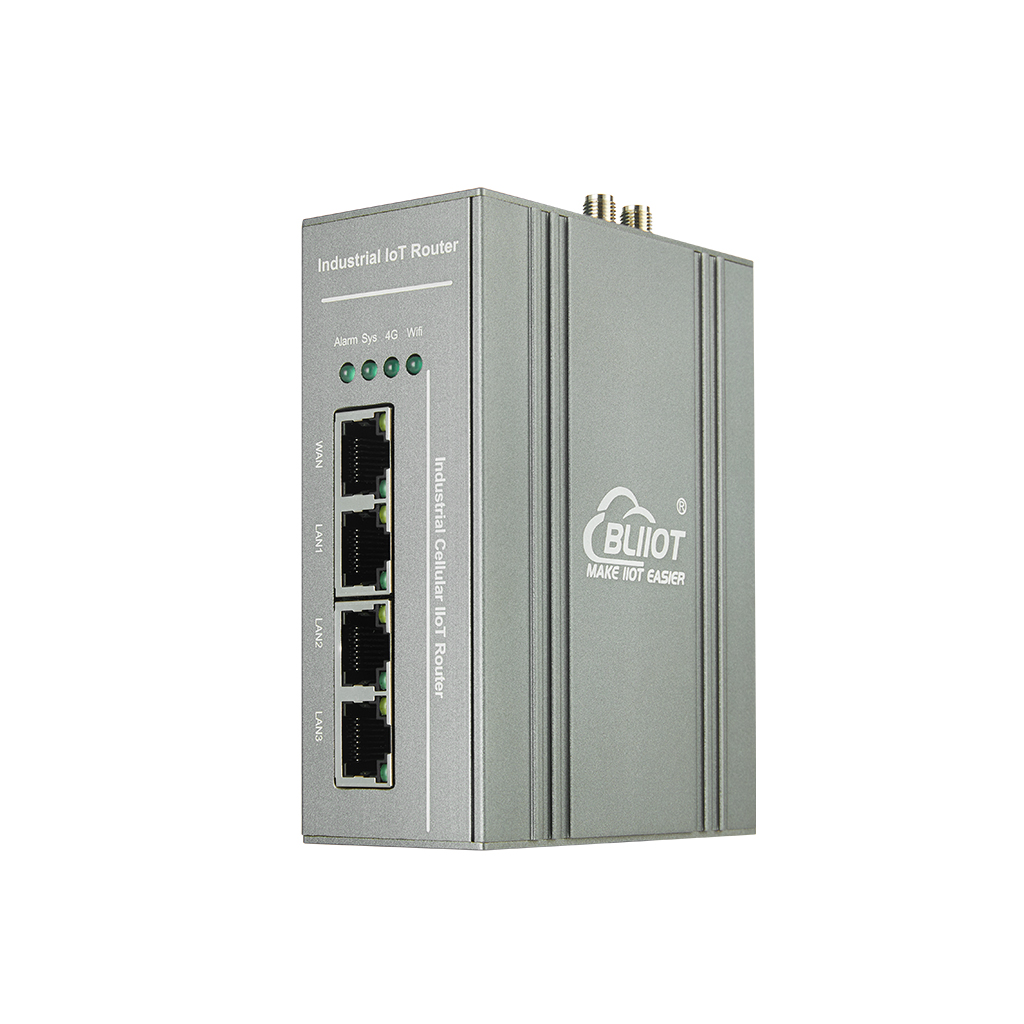
how the EA Series’ tiered computing power supports perception and decision-making for AMRs, mobile manipulators, and embodied intelligence devices.
Case Details
A Computing Foundation for AMR and Embodied Intelligence: How the EA Series Supports Perception and Decision-Making for Mobile Robots
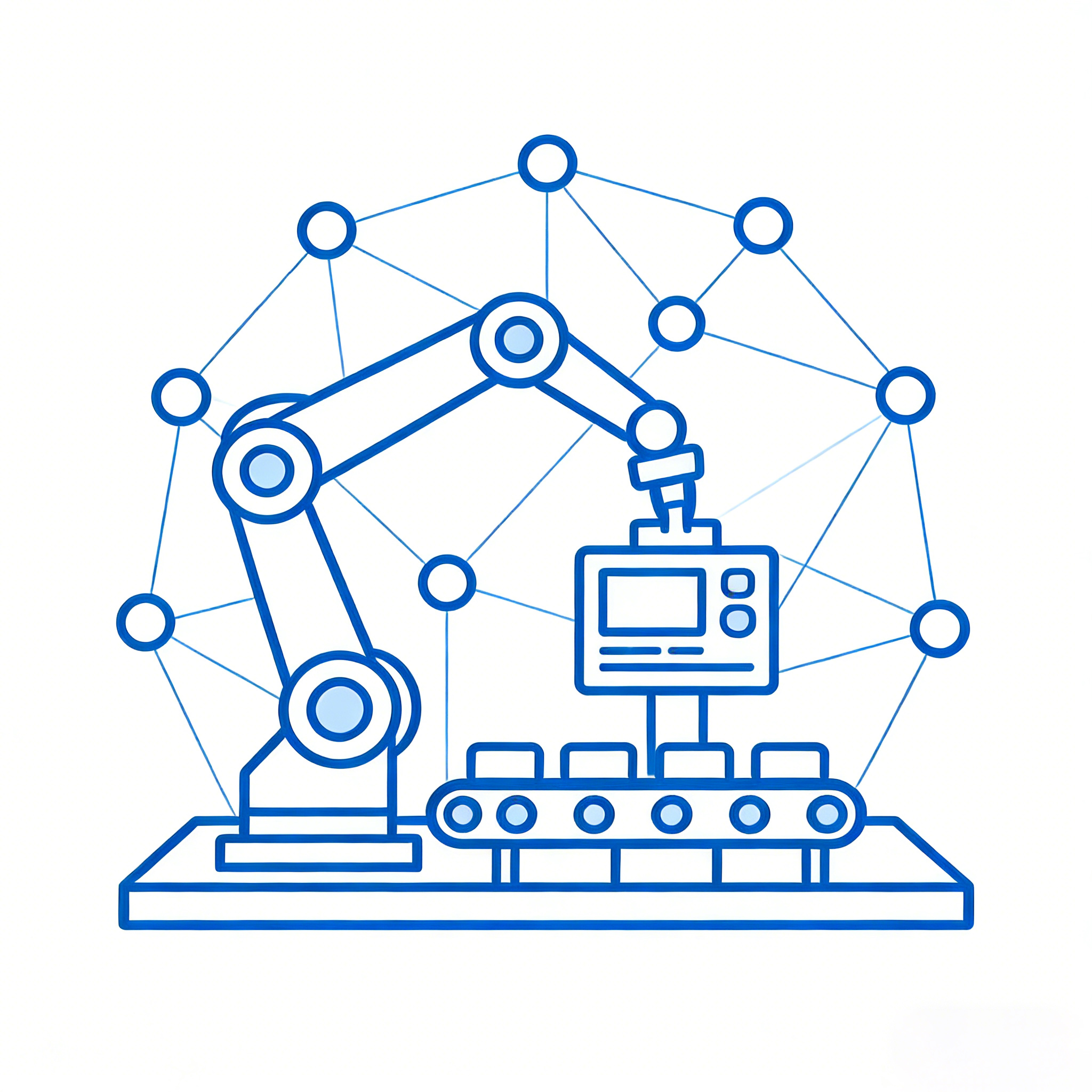
Autonomous mobile robots (AMRs), mobile manipulators, and industrial humanoid robots are moving from proof of concept to large-scale mass production, and edge computing platforms are becoming the core bottleneck in robot intelligence. An industrial robot must simultaneously handle LiDAR SLAM mapping and navigation, visual obstacle avoidance, dynamic obstacle tracking, path planning, motion control, and robotic arm grasp planning, while also balancing low power consumption, small size, and high reliability—consumer-grade computing platforms often cannot meet all these requirements at the same time.
1. Dual-Control Architecture: Division of Labor Between AI Computing and Real-Time Motion Control
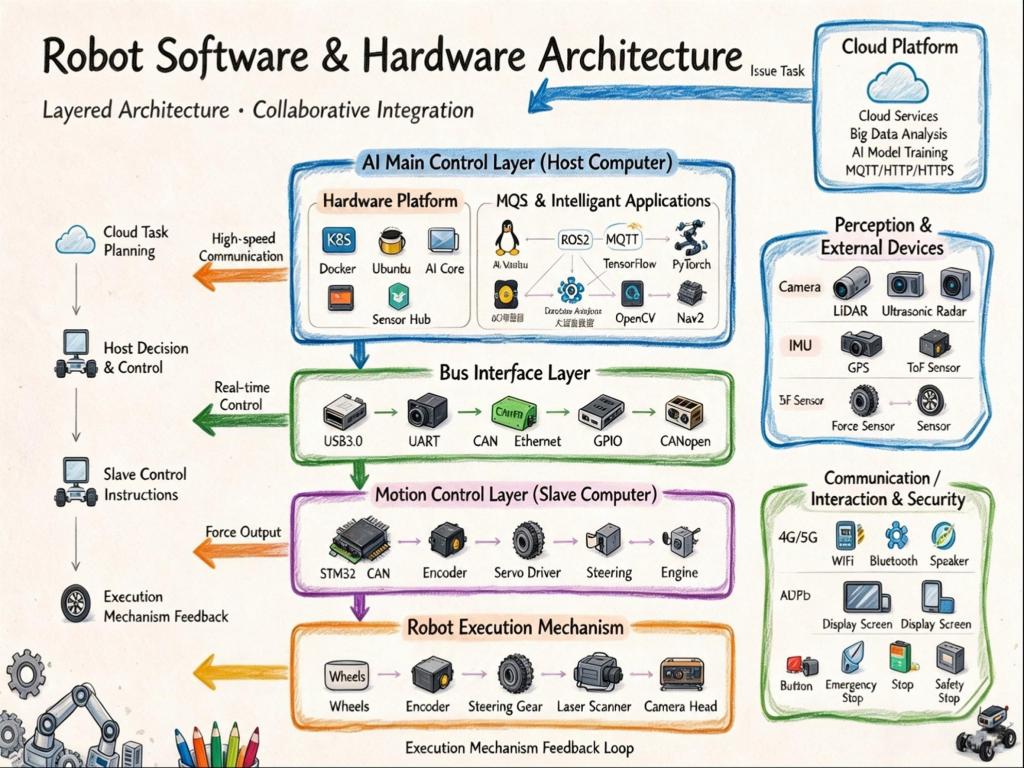
Robot development generally adopts a “host computer + lower-level controller” control approach: the host computer handles high-compute tasks such as visual recognition, point cloud processing, and path planning, while the lower-level controller handles hard real-time work such as servo drives, chassis motion, and I/O control. The two coordinate via CAN, RS485, or Ethernet. The key to this division of labor lies in whether the host computer can stably deliver sufficient AI computing power within a limited power budget, and whether the lower-level controller can obtain a low-jitter communication link.
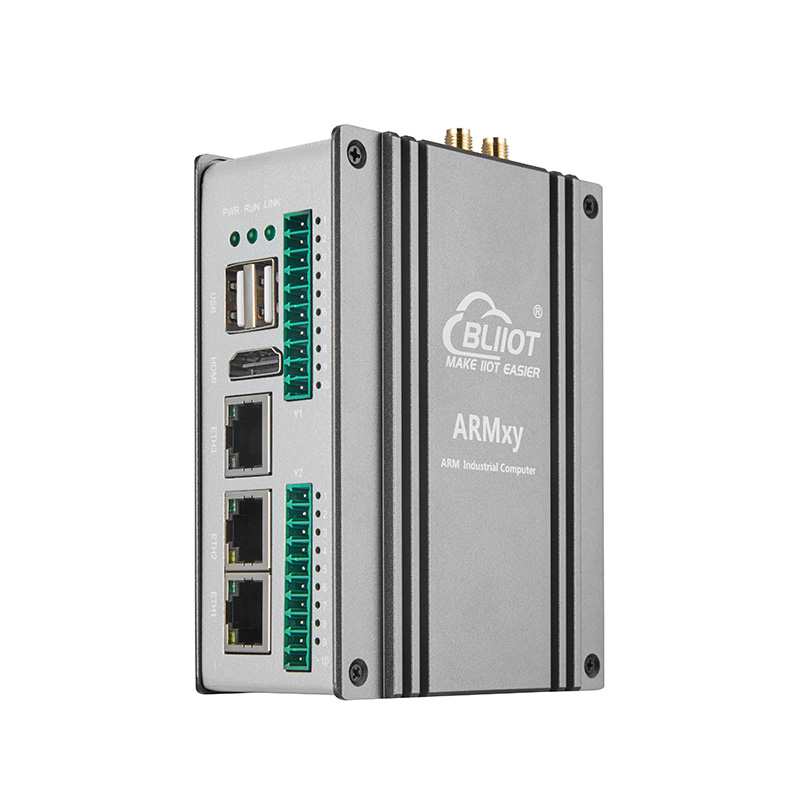
The EA Series is designed precisely as the computing foundation for the “host computer” role in this architecture. Taking small transport AMRs and sorting robots as examples, the EA230 (67 TOPS) can simultaneously run LiDAR SLAM navigation, visual obstacle avoidance, QR code recognition, and dynamic obstacle tracking. Its 7–15 W power consumption makes it suitable for battery-powered scenarios and can help extend battery life by more than 20% at equivalent computing power. For higher-load scenarios such as mobile manipulators and 3D grasping robots, the EA250 Pro (157 TOPS) supports fused perception with multiple cameras, LiDAR, and 3D structured light, and can perform real-time 3D point cloud processing, object pose estimation, and grasp path planning, with grasping positioning accuracy of up to ±0.1 mm. Its 8-core CPU simultaneously carries navigation, control, and communication tasks, reducing response latency caused by computing bottlenecks.
2. Software Ecosystem: ROS2 Node-Based Development and Low-Level Driver Adaptation
At the software level, the mainstream choice for robot projects is ROS2 Humble/Iron, packaging functions such as camera drivers, LiDAR drivers, SLAM mapping, navigation planning, robotic arm control, and AI vision as ROS2 nodes, and enabling modular communication through Topics, Services, and Actions for later function expansion and algorithm iteration. This development paradigm places high demands on the maturity of low-level driver adaptation for the computing platform—if drivers are incomplete, algorithm teams will spend a large amount of time on hardware debugging.
The EA Series natively supports ROS/ROS2 Humble. Mainstream components such as Navigation2 and MoveIt2 have been precompiled and adapted, and the full stack of low-level drivers is fully integrated, allowing algorithm teams to directly proceed to upper-layer application development. The unified Jetson software stack further supports “product tiering and software reuse”: entry-level transport models use the EA230, high-end mobile manipulator models use the EA250 Pro, and humanoid robots use the EA270 flagship platform. One core algorithm codebase can cover the entire product series, significantly shortening the R&D cycle for different tiers of models.
3. Interface Design and Industrial Reliability: Engineering Considerations for Real-World Operating Conditions
From the perspective of engineering deployment, the interface design of a robot computing platform directly determines the efficiency and stability of system integration. Referring to mature robot hardware solutions in the industry, dual Ethernet ports typically use one channel to connect to the internal sensor network and the other to connect to the upper-level scheduling system; RS485 and CAN are used to connect lower-level controllers, IMUs, and servo drives. Moreover, in strong interference environments dense with servo motors and solenoid valves, communication interfaces require industrial isolation design to ensure reliability. In terms of wireless communication, the reservation of Wi-Fi 6 and 5G modules determines whether the robot can support remote scheduling and data backhaul.
The EA Series has been specially adapted to robot scenarios in these dimensions: the CAN FD bus connects motion controllers and servo drives, RS485 connects lower-level actuators and sensors, dual Ethernet ports separately carry the internal perception network and the upper-level scheduling system, and M.2 slots support 5G/Wi-Fi 6 modules. The entire unit adopts an industrial design featuring wide temperature range, vibration resistance, and shock resistance, and can operate stably under special working conditions such as cold storage and high-temperature workshops.
4. Hardware-Software Co-Optimization and Real-Time Performance: From “Can Run” to “Runs Stably”
Computing power specifications are only the starting point; the real engineering challenge lies in task allocation among the CPU, GPU, and NPU and in guaranteeing real-time performance. In similar architectures, the NPU typically carries both object detection and point cloud segmentation models, the CPU handles ROS2 scheduling, motion control, and coordinate solving, and the GPU processes image rendering and interactive interfaces. In the model deployment stage, the toolchain must be used to complete INT8 quantization and mixed-precision inference. For multi-axis coordinated control and high-speed communication scenarios, the PREEMPT_RT real-time patch can reduce task scheduling latency, reduce CAN/RS485 communication jitter, and improve robotic arm motion consistency.
The EA Series’ unified software stack and Jetson ecosystem provide the foundation for the above co-optimization: algorithm teams can complete model quantization, operator adaptation, and task orchestration under the same toolchain, concentrate NPU computing power on perception inference, and reserve CPU resources for decision-making and communication, thereby reducing the system-level problem of “enough computing power but slow response.” For robot companies, this means shorter deployment cycles and more controllable field failure rates.
Conclusion
As AMRs and embodied intelligence enter the stage of large-scale deployment, the focus of competition in computing platforms has shifted from a single TOPS number to “comprehensive engineering capability covering computing power matching, interface adaptation, software ecosystem, and real-time reliability.” The EA Series covers a product portfolio from transport AMRs to humanoid robots with tiered computing power, supports a development model of “one algorithm set, multiple product tiers” through full-stack ROS2 adaptation and a unified software stack, and addresses the operating-condition constraints of real-world scenarios with industrial-grade interface and reliability design, providing a reusable computing foundation for the perception and decision-making of mobile robots.